
The landscape of Search Engine Optimization (SEO) is undergoing a seismic shift. With the introduction of Google's Search Generative Experience (SGE) and the rise of AI-powered answers, the traditional 10 blue links are no longer the only game in town. Users are now getting direct answers to complex queries right on the search results page, pushing organic listings further down.
The Shift from Keywords to Context
For years, SEO was about stuffing keywords into headers. Today, Google's Gemini and other LLMs understand user intent better than ever. It's no longer about matching 'best running shoes'—it's about answering 'what running shoes are best for flat feet if I run marathons?' content needs to be answering these specific, nuanced questions directly.
Zero-Click Searches
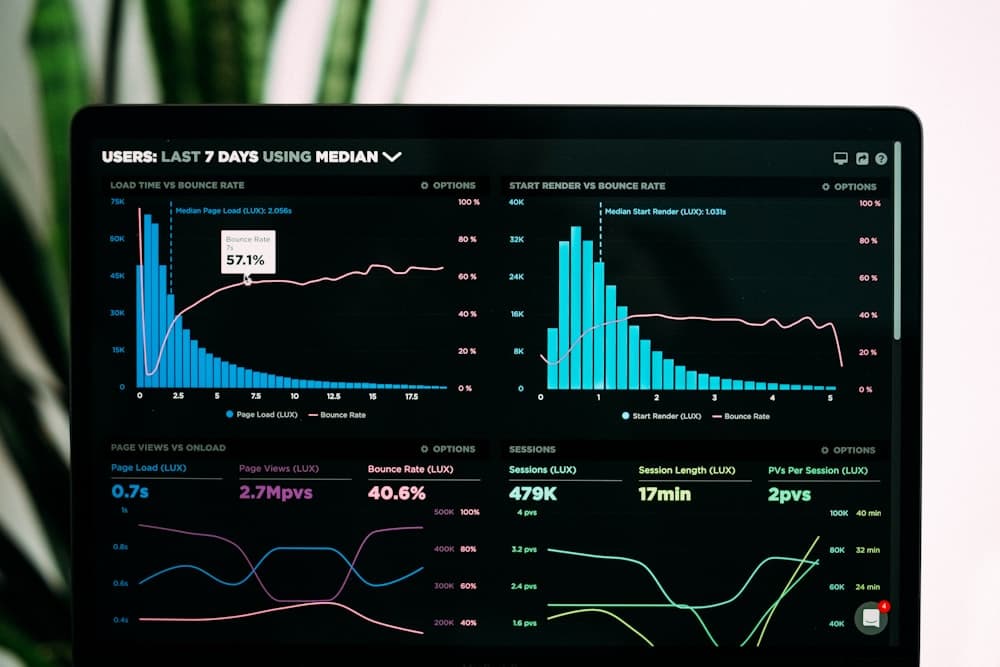
More searches are ending without a click because the AI provides the answer immediately. This sounds scary, but it's an opportunity. If your brand is the source of that answer, you gain incredible authority. The goal is to be the citation, the expert source that the AI trusts.
Action Plan: Optimize for the Snapshot
- Focus on E-E-A-T (Experience, Expertise, Authoritativeness, and Trustworthiness).
- Use Schema Markup to help AI understand your data structure.
- Answer questions directly in the first paragraph of your content.
- Invest in 'Perspective' content—opinions and stories AI can't generate.
One of the key drivers behind this transformation is the advancement in natural language processing (NLP). AI models like GPT series and Google's BERT have revolutionized how search engines interpret queries. This means that content creators must prioritize semantic relevance over keyword density. For instance, incorporating related terms and concepts naturally within the content can improve rankings.
Impact on E-commerce
For e-commerce sites, SGE presents both challenges and opportunities. Product pages need to be optimized with structured data to appear in AI-generated shopping recommendations. High-quality images, detailed descriptions, and user reviews become even more critical as AI pulls information from these elements to answer shopping-related queries.

Additionally, voice search optimization is gaining traction. With devices like Alexa and Siri, queries are more conversational. Content should answer questions in a natural, spoken language style. This shift requires rethinking content structure, perhaps incorporating FAQ sections that directly address common voice queries.
Tools and Technologies
To stay ahead, marketers should leverage tools like Google Search Console, SEMrush, or Ahrefs to monitor performance in AI features. Experimenting with AI writing assistants can help generate ideas, but human oversight is essential to maintain authenticity and accuracy.
- Regularly audit content for E-E-A-T compliance.
- Implement AMP for faster loading on mobile searches.
- Collaborate with influencers for authentic backlinks.
- Use A/B testing for title tags and meta descriptions.

As we look to the future, the integration of AI in search will only deepen. Brands that adapt by creating valuable, user-centric content will not only survive but thrive in this new era of search. Embracing these changes early can provide a significant competitive advantage.